
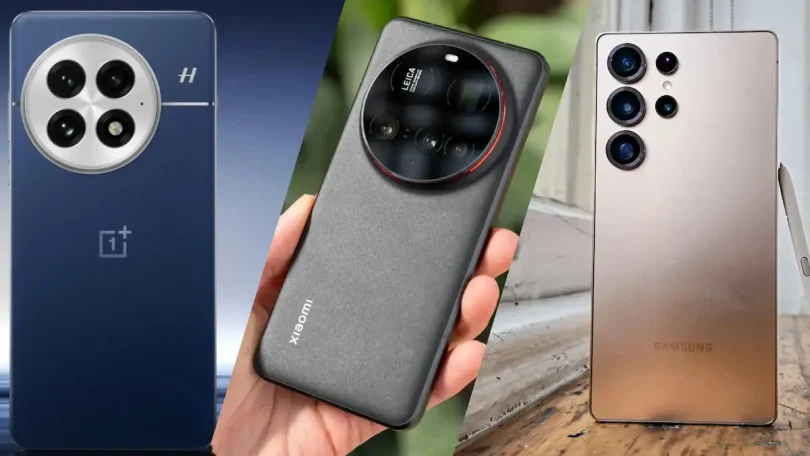

Choosing a smartphone in 2026 can feel overwhelming. With rapid technological advancements, an array of brands, and countless features, it’s easy to get lost. That’s why this smartphone buying guide 2026 is designed to help you make an informed choice.
Whether you are a tech enthusiast, a casual user, or someone looking for their first smartphone, this guide breaks down everything you need to know—from performance and cameras to battery life and design.
1. Set Your Budget

The first and most important step in any smartphone purchase is deciding your budget. In 2026, smartphones are available in a wide range of prices:
- Budget phones (under $300): Suitable for basic tasks like browsing, social media, video streaming, and messaging. These phones generally have decent performance but may lack premium features.
- Mid-range phones ($300–$700): Perfect for those who want good cameras, solid performance, and reliable battery life without spending a fortune.
- Flagship phones ($700–$1,500+): These come with top-of-the-line cameras, fastest processors, premium build quality, and the latest software features.
Understanding your budget helps filter your options and ensures you don’t overspend on features you may not need.
2. Choose the Right Operating System
One of the first decisions is the operating system (OS). In 2026, the main options are iOS and Android.
- iOS (iPhone): Known for its smooth user interface, long-term software updates, and secure ecosystem. Apple devices work seamlessly with Macs, iPads, Apple Watch, and AirPods. If you value simplicity, reliability, and regular updates, iOS is a strong choice.
- Android (Samsung, Google, OnePlus, Xiaomi, etc.): Offers extensive customization options, a wide range of devices at different price points, and innovative hardware features. Android allows you to tweak settings, use multiple apps simultaneously, and take advantage of expandable storage on some models.
Your OS choice will influence the apps you use, the ecosystem you join, and even resale value.
3. Performance: Processor and RAM
Performance determines how smoothly your phone runs apps, games, and multitasking. In 2026, the most important components are the processor (chipset) and RAM:
- Processors: Look for the latest chips like Apple A18 Bionic, Snapdragon 8 Gen 4, or MediaTek Dimensity 9300. These processors provide fast app performance, efficient power usage, and excellent gaming performance.
- RAM:
- 6GB: Adequate for general use and social media.
- 8–12GB: Ideal for multitasking, gaming, and professional apps.
- 16GB+: For power users and enthusiasts who need extreme performance.
- 6GB: Adequate for general use and social media.
A combination of a powerful processor and sufficient RAM ensures smooth performance and longevity.
You may also like it:
Wearable Tech Gadgets Review – Smart Devices & Top Picks 2025
Camera Gadgets Review for Beginners – Top Starter Gear
Trending Digital Tools 2026: Must-Have Tech for Work & Life
Latest Digital Lifestyle Trends: Technology Shaping Daily Life
4. Display Technology
In 2026, the display is more than just a screen—it defines your visual experience. Consider these factors:
- Type: AMOLED and OLED panels offer better color accuracy, deeper blacks, and energy efficiency.
- Refresh Rate: High refresh rates of 120Hz or even 240Hz make scrolling, gaming, and animations much smoother.
- Resolution: Full HD+ (1080p+) is standard, while QHD+ (1440p+) is premium. Higher resolution provides crisper images, but consumes more battery.
- Screen Size: Phones now range from compact 6-inch screens to large 7-inch foldables. Choose what feels comfortable in your hand and fits your lifestyle.
If you consume media frequently or play mobile games, prioritize a high-quality display.
5. Camera Capabilities

Cameras are a top priority in 2026. Modern smartphones feature multiple lenses and advanced AI software to enhance photography. Important points to consider:
- Number of lenses: Most phones come with wide, ultra-wide, telephoto, and macro lenses.
- Megapixels: While higher megapixels allow larger prints, software optimization often matters more than numbers.
- Night photography: Night mode and AI enhancements help capture sharp, clear photos in low light.
- Video recording: Many phones now offer 8K video recording, high frame rates, and stabilization.
For photography enthusiasts, check sample images and reviews before making a decision.
6. Battery Life & Charging
Battery performance is critical, especially with high-resolution displays and powerful processors:
- Battery Capacity: Look for at least 4,500–5,500 mAh for all-day use.
- Charging Speed: Fast charging is now standard, with some devices offering 100W+ charging for a full charge in under 30 minutes.
- Wireless & Reverse Charging: Wireless charging and reverse charging (charging other devices) are convenient features for modern users.
Good battery life ensures you can rely on your phone throughout the day without frequent recharging.
7. Storage Options
In 2026, storage requirements depend on your usage:
- 128GB: Suitable for casual users who use cloud storage.
- 256GB–512GB: Ideal for heavy users storing photos, videos, apps, and games locally.
- Expandable Storage: Available on some Android devices, giving flexibility to increase storage later.
Cloud storage can supplement local storage, but having ample onboard storage ensures smoother performance.
8. Connectivity & 5G
5G connectivity is now standard in 2026, offering faster internet speeds and improved network reliability. Other connectivity features to consider:
- Wi-Fi 6E: Faster and more stable wireless connections.
- Bluetooth 5.3: Enhanced audio quality and better connection with wireless accessories.
- NFC: Useful for mobile payments and quick device pairing.
These features ensure your smartphone keeps up with modern digital needs.
9. Design and Build Quality
Your phone’s design affects both aesthetics and durability:
- Materials: Glass and metal designs are premium, while plastic is more budget-friendly.
- Durability: Look for IP68 water and dust resistance for added protection.
- Ergonomics: Ensure the phone feels comfortable in your hand, especially if you use it for long hours.
In 2026, foldable phones and flexible displays are also gaining popularity for a more immersive experience.
10. Software & Updates
A great smartphone should have software that is regularly updated:
- Security: Updates protect against malware and vulnerabilities.
- New Features: Manufacturers often add features with software updates, enhancing device longevity.
- iOS vs Android updates: iPhones typically get 5–6 years of updates, while premium Android devices receive 3–4 years.
Choosing a device with guaranteed updates ensures your phone remains secure and functional for years.
11. Extra Features to Consider
Modern smartphones offer innovative extras to enhance your experience:
- Biometric Security: Face unlock and under-display fingerprint scanners offer convenience and safety.
- Stereo Speakers: Better audio for watching videos and gaming.
- AI Assistants: Siri, Google Assistant, and Bixby provide smart voice-controlled interactions.
- Foldable and Dual-Screen Designs: Useful for multitasking and media consumption.
These extras can significantly improve the overall user experience.
12. Popular Smartphone Recommendations for 2026
While personal needs vary, here are some noteworthy options:
- Flagship: iPhone 18 Pro, Samsung Galaxy S26 Ultra, Google Pixel 12 Pro
- Mid-range: OnePlus Nord 4, Samsung Galaxy A76, Google Pixel 8a
- Budget: Samsung Galaxy M series, Xiaomi Redmi Note 16, Realme Narzo 60
Always compare specs, prices, and reviews before finalizing a purchase.
Conclusion
Finding the perfect smartphone in 2026 doesn’t have to be stressful. By understanding your budget, choosing the right operating system, evaluating performance, battery life, and camera capabilities, you can confidently pick a device that fits your lifestyle. This smartphone buying guide 2026 ensures you make an informed choice and enjoy the latest technology without compromise.
FAQs
Q1: Should I choose iOS or Android in 2026?
A1: If you value simplicity, regular updates, and ecosystem integration, go for iOS. If you prefer customization, more hardware choices, and innovative features, Android is better.
Q2: How important is 5G?
A2: Very important. 5G ensures faster speeds, better streaming, and future-proof connectivity.
Q3: Is a foldable phone worth it?
A3: Foldables are great for multitasking and media consumption but are more expensive and less durable than standard smartphones.
Q4: How much storage do I need?
A4: 128GB for casual users, 256GB–512GB for heavy users. Expandable storage is a bonus if available.


