
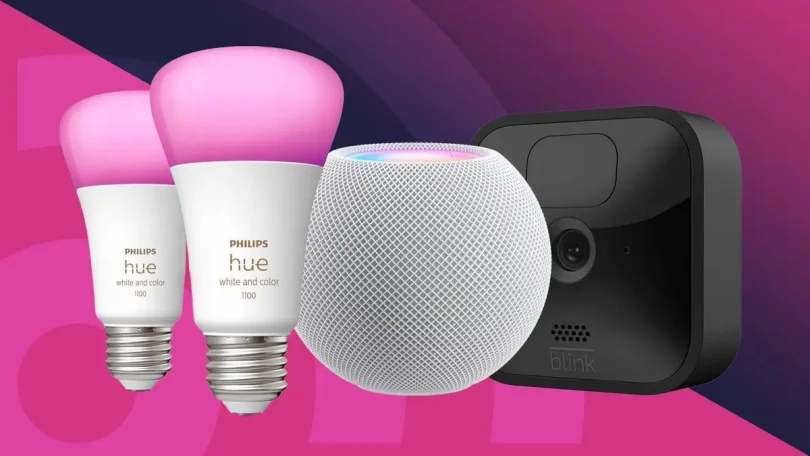

If you’re looking to make your home smarter, more secure, and convenient, this smart home devices buying guide will help you make the right choices. The smart home market has grown exponentially over the past few years, offering gadgets that do everything from turning on your lights before you enter a room to locking your doors remotely.
But with so many options available, choosing the right devices can feel overwhelming. This guide is designed to simplify the process and help you make informed decisions.
Why You Should Consider Smart Home Devices
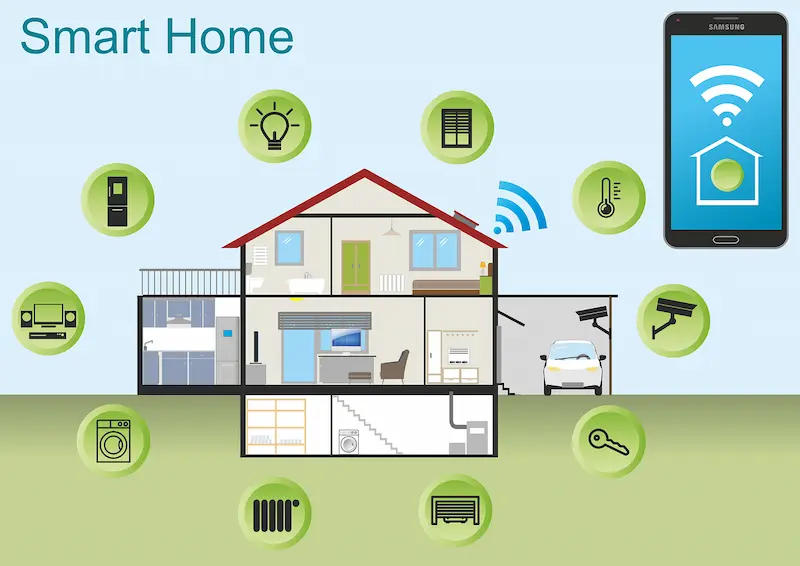
Smart home devices are no longer just a luxury—they’re a practical addition to modern living. Here’s why investing in them makes sense:
- Convenience: Control lighting, appliances, and security systems from your phone or with simple voice commands.
- Energy Savings: Smart thermostats, bulbs, and plugs help reduce electricity bills by automating usage.
- Enhanced Security: Smart cameras, door locks, and alarms give you peace of mind by monitoring your home in real-time.
- Accessibility: Smart devices make everyday tasks easier, especially for elderly or differently-abled individuals.
- Integration: A connected home ecosystem ensures all devices work seamlessly together.
Types of Smart Home Devices
Here’s an in-depth look at different smart home devices and what to look for when buying them:
1. Smart Speakers and Voice Assistants
Smart speakers, like the Amazon Echo, Google Nest Hub, or Apple HomePod, act as the hub for your smart home. They allow you to control other devices using your voice, play music, set reminders, or even check the weather.
Key Features to Consider:
- Voice recognition: Ensure it recognizes multiple users if needed.
- Compatibility: Check if it supports devices from different brands.
- Display options: Some models have screens for video calls or streaming content.
- Additional functions: Smart speakers can integrate with calendars, shopping lists, and more.
2. Smart Lighting
Smart lighting is more than just convenience—it can affect your mood and productivity. These bulbs can be controlled remotely, scheduled, dimmed, or even set to different colors.
Key Features to Consider:
- Energy efficiency: LED smart bulbs consume less power.
- Voice control compatibility: Works with Google Assistant, Alexa, or Siri.
- App control: Ability to schedule lighting, change brightness, and set scenes.
- Durability and lifespan: Check ratings for hours of use.
Popular Options: Philips Hue, LIFX, TP-Link Kasa
3. Smart Thermostats
A smart thermostat not only adjusts the temperature automatically but also learns your daily routine. This helps save energy and makes your home comfortable without constant manual adjustments.
Key Features to Consider:
- Learning capability: Some models learn your habits over time.
- Remote control: Adjust temperature via mobile apps.
- Energy reports: Track your energy usage and optimize settings.
- Integration with HVAC systems: Ensure it works with your existing heating and cooling system.
Popular Options: Nest Learning Thermostat, Ecobee SmartThermostat
4. Smart Security Systems
Security is one of the main reasons people invest in smart home devices. Options include smart cameras, doorbells, locks, and full security kits.
Key Features to Consider:
- Motion detection: Sends alerts to your phone when movement is detected.
- Video quality: Look for HD or 4K video with night vision.
- Remote access: Monitor live feeds from anywhere.
- Cloud storage: Some devices store recordings securely online.
Popular Options: Ring Video Doorbell, Arlo Security Cameras, August Smart Lock
You may also like it:
Camera Gadgets Review for Beginners – Top Starter Gear
Trending Digital Tools 2026: Must-Have Tech for Work & Life
Latest Digital Lifestyle Trends: Technology Shaping Daily Life
5. Smart Plugs and Outlets
Smart plugs are one of the easiest ways to start automating your home. They can control lamps, fans, coffee machines, or any other plugged-in device.
Key Features to Consider:
- App control: Turn devices on/off remotely.
- Energy monitoring: Track electricity consumption.
- Scheduling: Set devices to turn on/off automatically.
- Voice control: Compatible with Alexa, Google Assistant, or Siri.
Popular Options: TP-Link Kasa Smart Plug, Wemo Mini Smart Plug
6. Smart Appliances
Many modern appliances now come with smart features, such as refrigerators that alert you when food is running low, washing machines that can be controlled remotely, and robotic vacuum cleaners.
Key Features to Consider:
- Wi-Fi connectivity: Allows remote control via apps.
- Integration: Works with your existing smart home ecosystem.
- Ease of use: Simple interface and intuitive app.
- Energy efficiency: Reduces electricity consumption.
Popular Options: iRobot Roomba, Samsung Smart Fridge, LG Smart Washer
Tips for Buying Smart Home Devices
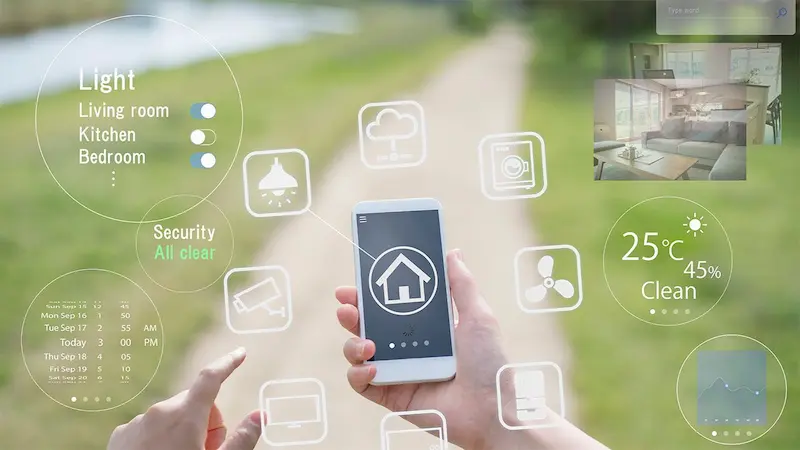
- Start Small: Begin with a few devices and expand as you get comfortable.
- Check Compatibility: Ensure new devices work with your existing smart home ecosystem.
- Consider Security and Privacy: Look for devices with strong encryption and security updates.
- Read Reviews: Learn from other users’ experiences to avoid poorly-performing products.
- Plan Your Budget: Some devices are expensive upfront but save money long-term through energy efficiency.
- Future Proofing: Choose devices with software updates and multi-brand compatibility.
Common FAQs Smart Home Devices Buying Guide
Q1: Can I install smart devices myself?
A: Most devices are easy to install and come with step-by-step instructions. Some complex systems may require professional installation.
Q2: Do smart devices work without Wi-Fi?
A: Many devices have limited offline functions but full functionality usually requires Wi-Fi.
Q3: How do I make sure my smart devices are secure?
A: Use strong passwords, enable two-factor authentication, and keep firmware updated.
Q4: Will all my devices work together?
A: Devices from the same ecosystem (like Google Home or Apple HomeKit) work seamlessly, while cross-brand compatibility should be checked before buying.
Q5: Can smart devices save money?
A: Yes! Smart thermostats, bulbs, and plugs reduce energy consumption, which can lower utility bills over time.
Conclusion
Investing in smart home devices can transform your home into a modern, efficient, and secure environment. This smart home devices buying guide gives you the knowledge to choose the right gadgets, from smart speakers to security systems, lighting, thermostats, and appliances.
Start small, focus on compatibility and security, and gradually build a connected home that simplifies your daily life. With the right choices, your home can be smarter, safer, and more energy-efficient than ever.


